
WHY YOUR BODY WASH SHOULD HAVE MĀNUKA HONEY IN IT
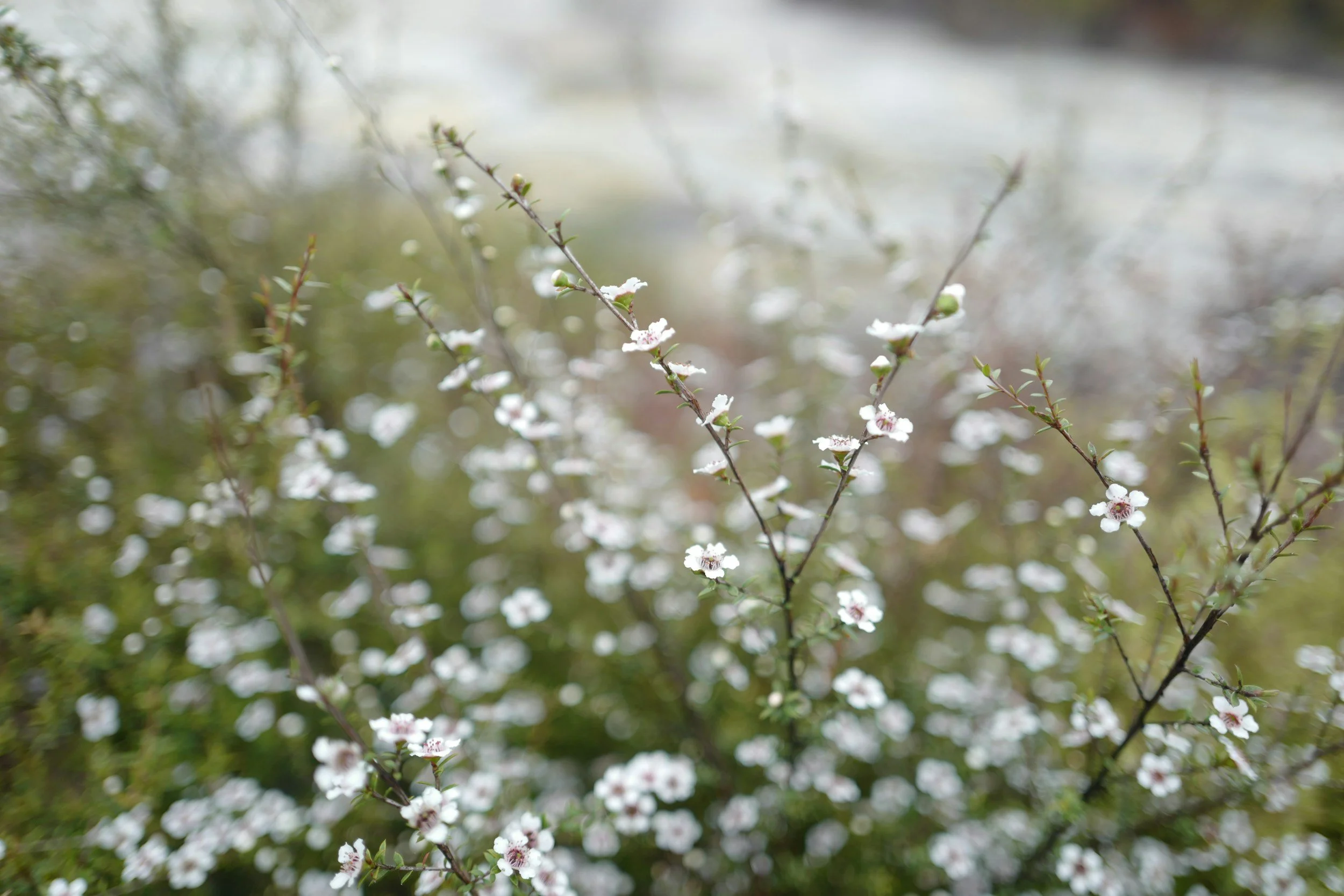
New Zealand's most celebrated ingredient, now doing remarkable things for your skin in the shower.
You've probably seen mānuka honey on supermarket shelves at prices that make you do a double-take. But there's a reason it commands that kind of respect — and it turns out, those same properties that make it special in a spoon make it extraordinary on your skin.
So what actually makes it different?
Most honey is mildly antibacterial. Mānuka honey is in a different league. It contains a compound called methylglyoxal — MGO for short — which is the driving force behind its antibacterial power. The higher the MGO level, the more potent the honey. It's not folklore. Researchers have tested it against the bacteria most commonly linked to skin problems, and it holds up.
A review of 32 studies confirmed mānuka honey's antibacterial activity
against Staphylococcus aureus and Cutibacterium acnes —
the bacteria behind skin infections and breakouts.
Three ways it benefits your skin
no.1
It helps keep breakout-causing bacteria in check
Mānuka honey actively works against Cutibacterium acnes — the bacteria responsible for most breakouts. Rather than stripping your skin with harsh ingredients, it takes a gentler approach: creating an environment where problem-causing bacteria can't thrive. For acne- prone skin, that's a meaningful difference.
no.2
It calms inflammation while you cleanse
Reactive, easily-irritated skin tends to flare up with conventional body washes. Mānuka honey has documented anti-inflammatory properties, meaning it works to calm the skin rather than aggravate it. You're not just cleaning — you're actively reducing redness and irritation at the same time.
no.3
It supports your skin's natural barrier
A clinical trial on eczema-prone skin found measurable improvement from topical mānuka honey, with researchers pointing to its ability to support the skin barrier as a key factor. A stronger barrier means moisture stays in and irritants stay out — exactly what sensitive or compromised skin needs.
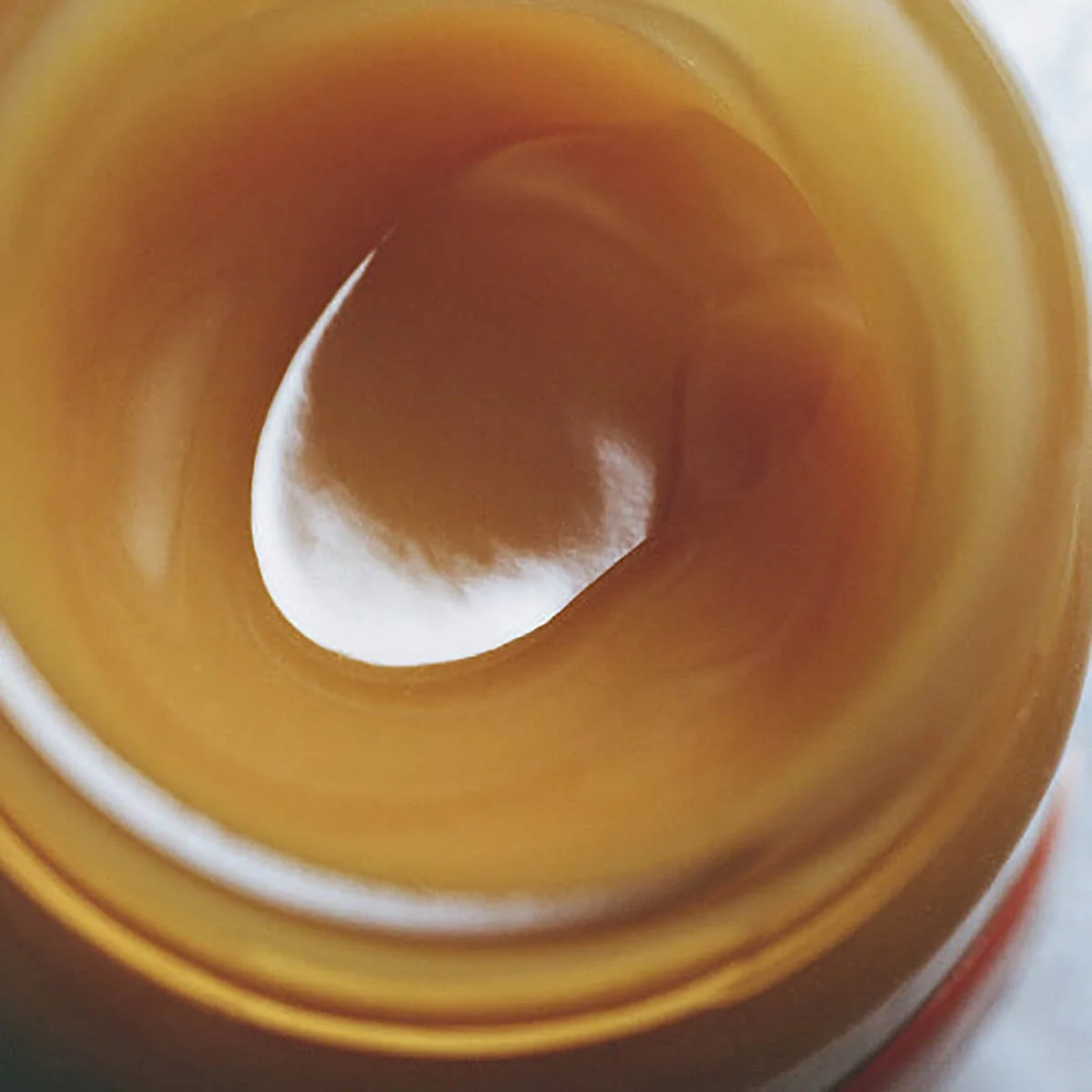
Not all mānuka honey is the same
Our formulation standard is 510+ MGO
MGO is the active compound that makes mānuka honey antibacterial. Higher MGO means higher potency.
You'll often see two terms on mānuka honey products: MGO and UMF. MGO tells you the concentration of methylglyoxal — the active antibacterial compound. UMF is a broader grading system that accounts for MGO alongside other authenticity markers. Think of UMF as the quality certification, and MGO as the potency number you actually want to pay attention to.
FAQs
Is this actually backed by science, or is it just marketing?
It's backed by science. A peer-reviewed clinical trial showed measurable improvement in eczema-prone skin. A separate review of 32 studies confirmed antibacterial activity against common skin pathogens. The evidence is strongest for sensitive, acne-prone, and compromised skin.
Can I use it if I have eczema?
Research specifically supports it here. The clinical trial on eczema-prone skin found real improvement, attributed to mānuka honey's combined antibacterial, anti-inflammatory, and barrier-supporting effects. As always, patch-test first and check with your dermatologist if your condition is severe.
Will it help with acne on my body?
It can, yes. Mānuka honey targets the bacteria behind breakouts, reduces inflammation, and helps repair the skin barrier — all three of which play a role in body acne. It works best as part of a consistent routine rather than a one-off treatment.
